The purpose of a vapor barrier is straightforward: prevent ground vapor from rising into your crawl space or basement floor, where it can saturate wood framing, insulation, and HVAC equipment over time. Understanding what a proper vapor barrier consists of, however, goes well beyond simply laying plastic on the floor.
A mil is one-thousandth of an inch, and the difference between a 6-mil sheet and a 20-mil sheet is significant in terms of puncture resistance, lifespan, and moisture vapor transmission rate. The material specification should match the specific moisture conditions and use patterns of the space, and we assess both before recommending a product.
Seam treatment is equally important to the material specification when it comes to achieving a functioning vapor barrier system. Seam quality is one of the most overlooked and most impactful aspects of the vapor barrier installation.
Covering only the floor and stopping the barrier at the wall-floor junction leaves the porous block or concrete foundation walls as an open pathway for moisture to enter the crawl space environment. The combination of floor coverage, properly lapped and taped seams, and full wall coverage to the sill plate creates a complete moisture envelope that dramatically reduces crawl space humidity and protects the wood framing above.
HVAC equipment and ductwork located in a humid crawl space corrodes faster, loses efficiency, and requires earlier replacement than equipment in a properly sealed environment. If the barrier is incomplete or poorly sealed, a dehumidifier simply works harder against an unlimited moisture supply, running continuously and consuming excessive energy without achieving target humidity levels.
Our installers are trained on manufacturer specifications for every product we use.
We source reinforced 20-mil poly sheeting and commercial butyl tape, not the hardware store equivalent.
We extend the barrier up every wall to the sill plate, closing the moisture entry pathway that floor-only installations miss.
You receive documentation of your warranty before we leave the property.
A complete crawl space vapor barrier system starts with proper site preparation, including removal of debris and grading of the ground surface for maximum contact.
Upgrading from 6-mil to 20-mil sheeting with proper seam sealing delivers measurably improved moisture performance in most cases.
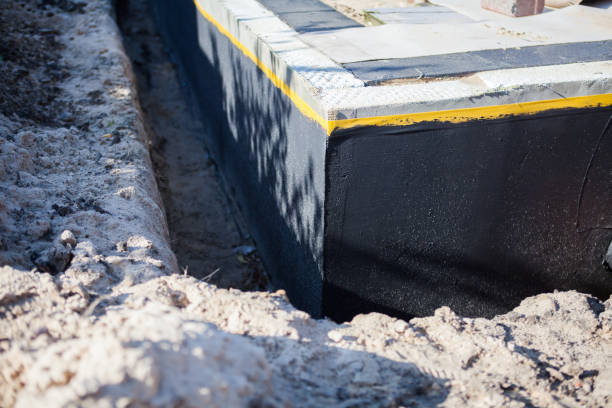
The installation includes full seaming, perimeter taping, and wall coverage to the base of the finished wall or sill plate.
This combination approach addresses both vapor diffusion and water management in a single installation.
In high-humidity areas of Albany, OH, a vapor barrier alone may not be sufficient to control crawl space moisture during peak summer months.
Regular inspection of vapor barriers in Albany crawl spaces is recommended every several years to catch deterioration before it leads to wood rot or mold conditions.
We measure the space, assess existing moisture conditions, document any existing barrier or mold, and identify all penetrations that will need to be addressed in the installation
Based on site conditions, we specify the appropriate mil rating, calculate material quantities, and plan the seaming layout for maximum coverage and minimum waste
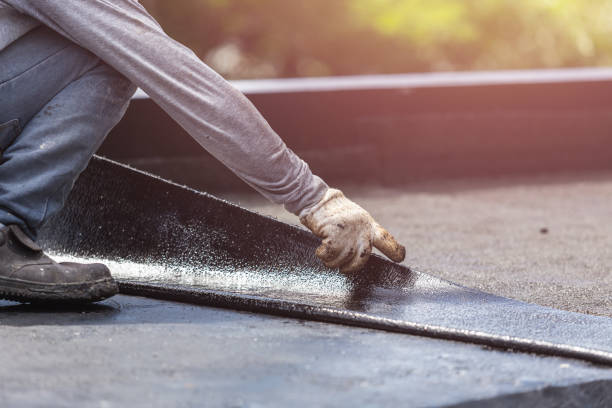
Sheeting is laid, overlapped at 12 inches minimum, taped with butyl tape at all seams, and extended up all walls with mechanical fastening at the top edge
We walk through the completed installation with you, confirm all seams and coverages are complete, and provide written warranty documentation before leaving
"We had a previous vapor barrier installation that was barely 6-mil and had separated seams throughout. The humidity in our crawl space was unacceptable and we were starting to see mold on the floor joists. JCB Waterproofing and Construction removed the old liner and installed a commercial-grade system with butyl tape seams throughout. The difference in our indoor air quality was noticeable within a week."
"Very professional team that explained the difference between the grades of vapor barrier sheeting before recommending anything. They went with 20-mil for our space and the installation looks perfect. We can already see the humidity meter reading dropping consistently."
"The crew extended the barrier all the way up the walls to the sill plate, which the contractor who did our original installation did not do. The proper wall-to-sill installation finally completed our moisture protection. Great work from a team that clearly knows what they are doing."
Contact JCB Waterproofing and Construction for a free site evaluation and written estimate for vapor barrier installation in Albany